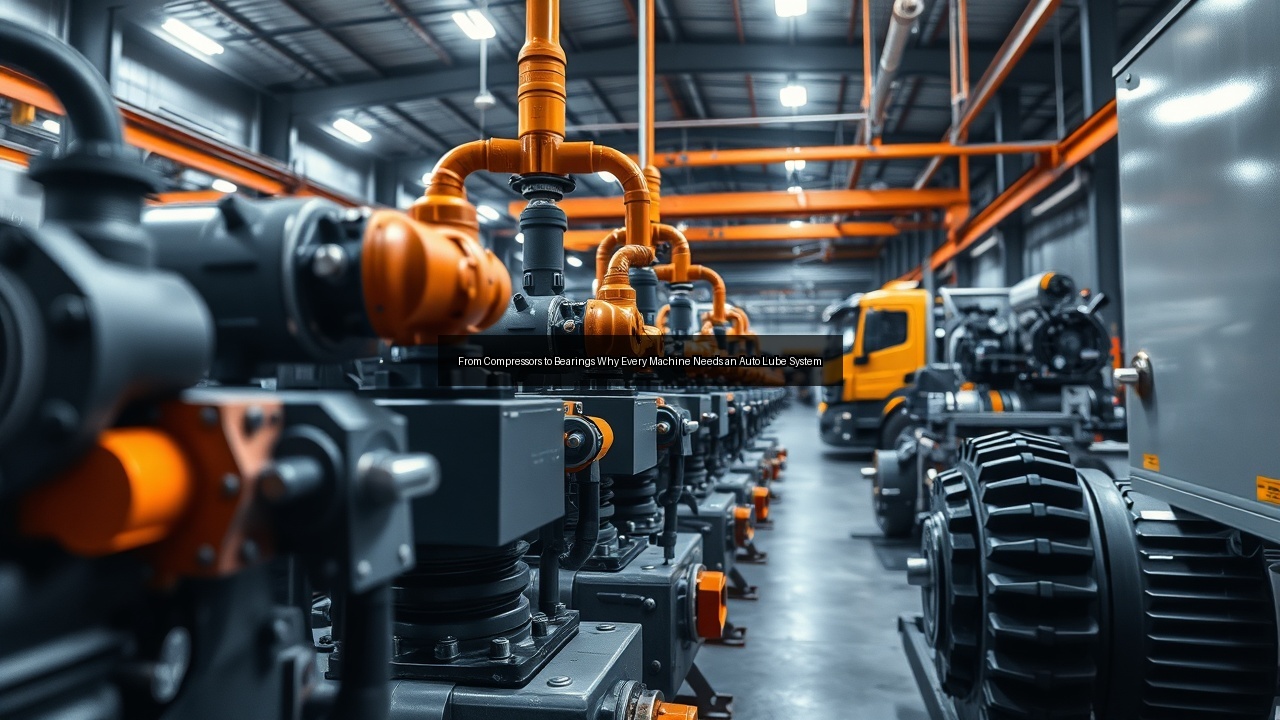
From Compressors to Bearings Why Every Machine Needs an Auto Lube System
The Importance of Automatic Lubrication Systems in Machinery
Enhancing Reliability in Industrial Equipment
Automatic lubrication systems play a crucial role in ensuring the reliability of industrial equipment. Every machine, from compressors to bearings, demands a consistent supply of lubricant to function optimally. A well-designed automatic lubrication system delivers precise amounts of oil or grease at regular intervals, significantly reducing wear and tear on machine components. This consistent lubrication prevents overheating and minimizes friction, leading to extended equipment life. For industries reliant on machinery, this translates to higher productivity and fewer unexpected failures, making reliability not just an option but a necessity.
Reducing Maintenance Costs and Downtime
Investing in an automatic lubrication system drastically cuts down maintenance costs and minimizes downtime. Traditional lubrication methods often involve manual intervention, which can lead to inconsistent lubricant application. This inconsistency results in premature component failure, requiring costly repairs and maintenance. An automated system streamlines the lubrication process, ensuring each part receives the right quantity of lubricant at the right time. As a result, businesses experience fewer breakdowns, lower repair costs, and improved operational efficiency. This proactive approach to maintenance reduces the need for emergency repairs and allows for better resource allocation across the organization.
Improving Performance in Data Centers and Trucks
Data centers and trucks rely heavily on efficient performance, making automatic lubrication systems indispensable. In data centers, equipment like servers and cooling systems require consistent lubrication to maintain optimal operating temperatures. Automatic lubrication systems ensure that fans and bearings operate smoothly, preventing overheating and extending the lifespan of critical components. Similarly, trucks, whether used for logistics or transportation, benefit from automated lubrication. These systems keep essential components, such as bearings and pumps, well-lubricated, ensuring that trucks run efficiently and reliably on long hauls. The result is a significant boost auto lube system in performance across various applications.
Key Components of Automatic Lubrication Systems
Understanding Pumps and Their Role in Lubrication
Pumps serve as the heart of automatic lubrication systems, delivering the necessary lubricant under controlled conditions. These pumps come in various types, including positive displacement and progressive systems, each designed to meet specific lubrication needs. Positive displacement pumps provide a fixed volume of lubricant, ensuring precise application. In contrast, progressive systems distribute lubricant through a series of connectors, allowing for versatile applications across multiple points. Understanding the role of these pumps is essential for selecting the right automatic lubrication system for your machinery, as they directly influence the efficiency and reliability of the lubrication process.
Types of Automatic Lubricators: Greasers, Sprayers, and More
Automatic lubricators come in various forms, each serving unique applications. Greasers are commonly used in scenarios requiring consistent grease application, while sprayers are ideal for providing oil to areas that demand a fine mist. Selecting the right type of automatic lubricator hinges on the specific requirements of the machinery in question. For instance, heavy machinery and trucks often require robust grease systems to handle harsh conditions, while precision equipment in data centers may benefit from lighter oil sprays. Understanding these options allows businesses to tailor their lubrication approach, optimizing performance and longevity.
The Role of Condition Monitoring in Lube Systems
Condition monitoring is an integral component of modern automatic lubrication systems. This technology enables real-time tracking of lubricant quality and levels, ensuring optimal performance. Sensors detect changes in pressure and viscosity, alerting maintenance teams to potential issues before they escalate. Implementing condition monitoring contributes to a proactive maintenance strategy, allowing for timely interventions that prevent costly failures. automatic grease system By integrating this technology, businesses can optimize their lubrication management, reducing waste and ensuring that every machine component operates at peak efficiency.
Applications of Automatic Lubrication Systems
From Compressors to Bearings: A Comprehensive Overview
Automatic lubrication systems find application in various machinery, significantly enhancing operational efficiency. Compressors and bearings are prime examples of components that benefit from precise lubrication. In compressors, an adequate supply of lubricant minimizes friction and heat, ensuring efficient operation. Bearings, essential in countless applications, require consistent lubrication to prevent wear and maximize lifespan. Detailed monitoring of lubricant levels ensures that these components receive the necessary care. By implementing an automatic lubrication system, industries can maintain optimal performance across their machinery, leading to improved reliability and reduced maintenance costs.
Lube Solutions for Trucks and Trailers
Trucks and trailers operate in demanding environments, making robust lubrication solutions essential for their longevity and performance. Automatic lubrication systems provide a consistent supply of lubricant to critical components, such as axles, wheel bearings, and pumps. This ensures that each part operates smoothly, reducing the risk of breakdowns during transport. The ability to customize lube solutions based on the specific requirements of various truck models enhances their reliability and efficiency. Implementing an automatic lube system not only extends the lifespan of vehicles but also improves safety and reduces the likelihood of costly repairs, making it a valuable investment for fleet operators.
Case Studies: Successful Implementation in Various Industries
Numerous industries have successfully implemented automatic lubrication systems to streamline operations and cut costs. For instance, the mining sector has adopted these systems to enhance the reliability of heavy equipment, reducing unplanned downtime and maintenance costs. In manufacturing, companies have reported significant improvements in machine longevity and operational efficiency by integrating automated lubrication. Case studies highlight how businesses experience tangible benefits, including increased production rates and reduced repair frequencies. Such success stories underscore the value of automatic lubrication systems across diverse applications, demonstrating their essential role in modern machinery management.
Future Trends in Automatic Lubrication Technology
Integrating Automation with Modern Lubrication Practices
The future of automatic lubrication technology lies in its integration with broader automation trends in industrial settings. As industries increasingly embrace automation, lubrication systems evolve to align with these advancements. Smart lubrication solutions will leverage data analytics to optimize lubricant application, ensuring that machines receive the right amount of lubricant precisely when needed. This shift towards intelligent lubrication systems promises not only to enhance equipment performance but also to reduce waste and improve overall maintenance management, making operations more efficient and environmentally friendly.
The Impact of IoT on Lubrication Systems
The Internet of Things (IoT) significantly influences the evolution of automatic lubrication systems. IoT-enabled lubrication solutions offer enhanced connectivity, allowing for real-time monitoring and data sharing. Sensors embedded in machinery can transmit information on lubricant levels, quality, and performance directly to maintenance teams. This connectivity empowers businesses to make informed decisions about lubrication needs, enabling timely interventions and reducing the risk of machine failures. As IoT technology continues to advance, the integration of smart lubrication systems will become a standard practice, further improving reliability and efficiency in various industries.
Exploring New Lubricant Technologies and Brands
Emerging lubricant technologies and brands are reshaping the landscape of automatic lubrication systems. Innovations in lubricant formulations promise improved performance, longevity, automatic grease system and environmental sustainability. Advanced synthetic oils and biodegradable greases are gaining traction, offering enhanced protection for machinery while reducing environmental impact. As manufacturers continue to explore new lubricant technologies, businesses will benefit from improved efficiency and reduced operating costs. Keeping abreast of these developments allows companies to select the best lubrication solutions, ensuring their machinery operates at peak performance while adhering to modern environmental standards.