Innovative Skid Mounted Solutions for Bulk Oil Storage and Dispensing

Understanding Bulk Oil Storage and Dispensing Systems
Overview of Bulk Oil Storage Solutions
Bulk oil storage solutions deliver reliable access to lubrication oil and lubricants across industrial sites. Operators rely on bulk oil storage tanks and bulk oil tanks to hold large volumes that support continuous operations without frequent refills. These systems replace scattered 55 gallon drum setups with centralized bulk storage that cuts handling time and reduces spills. Facilities integrate skids for mobility so teams relocate entire units as needs shift. Bulk oil systems streamline fluid management for lube points and equipment maintenance. Engineers design these setups around specific flow rates and site layouts to match production demands precisely.
Importance of Compliance with OSHA and EPA Regulations
OSHA and EPA regulations set strict standards for bulk oil storage and dispensing systems to protect workers and the environment. Companies must install secondary containment on every tank to prevent leaks from reaching soil or waterways. OSHA requires clear labeling, proper grounding, and spill kits near all dispensing points. EPA rules govern recordkeeping for fluid transfers and mandate regular inspections of storage tanks. Noncompliance triggers fines and shutdowns, while adherence supports safe handling of lubricants and waste oil. Proper documentation covers every transfer from bulk oil tanks to end-use equipment.
Key Components of Bulk Oil Dispensing Systems
Bulk oil dispensing systems combine welded steel tanks, pumps, hoses, and meters into integrated units. Filtration units remove contaminants before fluid reaches machinery. Pneumatic pumps provide consistent pressure without electrical hazards in flammable areas. Gravity feed options suit low-volume sites, while pumped lines handle high-demand lubrication oil routes. Skids form the base that holds tanks secure during transport. Operators add gauges and shutoff valves to monitor levels and prevent overfills. These components work together to deliver clean lubricants directly to equipment.
Innovative Skid Mounted Solutions
Benefits of Skid Mounted Systems for Bulk Oil
Skid mounted systems for bulk oil provide portable platforms that support quick installation and relocation. Welded steel frames keep tanks stable during transport between job sites. Companies gain flexibility to scale bulk storage without permanent foundations. These units reduce setup time compared with fixed bulk oil storage tanks. Integrated piping and filtration simplify connections to existing lubrication networks. Operators move complete bulk oil dispensing systems to match workflow changes. Reduced downtime and lower installation costs drive adoption across manufacturing and fleet maintenance operations.
Materials Used in Skid Mounted Tanks: Steel vs. Polyethylene
Steel tanks offer superior strength and fire resistance for bulk oil storage. Welded steel construction withstands heavy use and outdoor exposure. Polyethylene tanks provide corrosion resistance and lighter weight for easier skid transport. Polyethylene resists chemical attack from certain lubricants yet requires careful handling to avoid punctures. Steel units handle higher pressures in pumped systems while polyethylene suits gravity feed applications. Facilities choose materials based on fluid type, capacity needs, and site conditions. Both options integrate with skids to create complete bulk oil systems.
Integration of Filtration Systems in Skid Mounted Solutions
Filtration systems integrated into skid mounted solutions remove particles from lubrication oil before dispensing. Inline filters capture contaminants that shorten equipment life. Operators place filtration units between the tank and dispensing hose for continuous cleaning. Skid designs allow easy filter access for maintenance without system shutdown. Clean fluid delivery improves reliability of bulk oil dispensing systems. Advanced filtration extends intervals between fluid changes and protects sensitive machinery components. Facilities track filter performance to maintain consistent oil quality across all lubrication points.
Design Considerations for Efficient Bulk Oil Storage
Gravity Feed vs. Pumped Systems for Oil Dispensing
Gravity feed systems rely on elevation differences to move oil from bulk storage tanks to dispensing points. These setups require no external power and suit smaller operations handling moderate volumes. Pumped systems use pneumatic or electric pumps to deliver fluid over longer distances and higher elevations. Pumped lines support high-volume lubrication oil needs in large plants. Gravity feed reduces complexity while pumped options add control through meters and valves. Engineers evaluate site layout and flow requirements before selecting the approach that matches bulk oil storage and dispensing demands.
Capacity Options: From 55 Gallon Drums to Large Storage Tanks
Capacity options range from single 55 gallon drum equivalents to multi-thousand-gallon storage tanks on skids. Smaller bulk oil tanks fit tight spaces and serve limited lubrication needs. Larger welded steel tanks handle high consumption rates in heavy industry. Skid mounted units allow operators to combine several tanks for scalable bulk storage. Facilities match tank size to daily fluid usage to minimize waste and handling. Modular designs let teams add capacity without redesigning entire bulk oil systems. Proper sizing prevents stockouts and reduces delivery frequency.
Fire Safety Measures in Bulk Oil Storage Systems
Fire safety measures protect bulk oil storage systems from ignition risks. Welded steel tanks provide inherent fire resistance compared with other materials. Grounding prevents static sparks during fluid transfers. Fire suppression equipment and spill containment sit near every dispensing station. OSHA guidelines require separation distances between tanks and ignition sources. Ventilation systems disperse vapors that accumulate around storage tanks. Regular inspections verify that fire safety features remain functional in all bulk oil dispensing operations.
Waste Oil Management and Environmental Impact
Regulations Surrounding Waste Oil Disposal
EPA regulations classify waste oil as a hazardous material when contaminated. Facilities must store waste oil in dedicated tanks separate from fresh lubricants. Labeling and secondary containment requirements match those for bulk oil storage tanks. Proper manifests track every gallon from collection to approved recycling centers. Violations lead to significant penalties under both EPA and OSHA oversight. Operators document volumes and disposal dates to maintain compliance across all bulk oil systems. These rules ensure safe handling of used fluids throughout their lifecycle.
Best Practices for Waste Oil Storage and Recycling
Best practices start with dedicated waste oil tanks on separate skids to avoid cross-contamination. Regular pumping prevents overflows and maintains clean work areas. Facilities filter waste oil on-site when possible to extend recycling value. Clear procedures guide workers on transfer methods that minimize spills. Recycling partners accept bulk volumes from centralized storage tanks. Training programs reinforce proper labeling and handling of waste oil. These steps integrate smoothly with existing bulk oil storage and dispensing systems.
Environmental Benefits of Proper Bulk Oil Dispensing
Proper bulk oil dispensing reduces spills and lowers environmental contamination risks. Centralized filtration delivers clean fluid that extends equipment life and cuts waste oil generation. Efficient systems decrease the number of deliveries required for lubrication oil. Reduced handling lowers the chance of leaks from 55 gallon drum transfers. Companies achieve measurable drops in fluid loss through accurate metering and contained storage tanks. These practices support sustainability goals while maintaining compliance with EPA standards for bulk oil operations.
Future Trends in Bulk Oil Storage and Dispensing
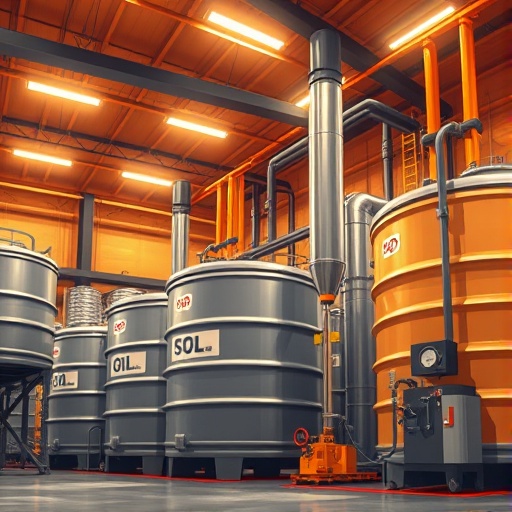
Advancements in Technology for Oil Dispensing Systems
Technology advancements bring sensors and digital monitors to bulk oil storage tanks. Real-time level tracking prevents unexpected shortages during lubrication cycles. Wireless connectivity lets managers oversee multiple skids from a central dashboard. Improved filtration materials capture finer particles without restricting flow rates. Automated shutoff valves add safety layers to dispensing operations. These innovations optimize bulk oil dispensing systems for accuracy and reliability across industrial applications.
The Role of Automation in Bulk Oil Management
Automation transforms bulk oil management through programmed pumps and inventory controls. Pneumatic systems integrate with plant controls to dispense exact volumes at scheduled intervals. Automated alerts notify teams when storage tanks require refills. Skid mounted units equipped with controllers reduce manual intervention and human error. Data logging supports regulatory reporting for EPA and OSHA compliance. Facilities gain precise control over lubrication oil distribution while lowering labor costs associated with traditional bulk oil systems.
Sustainability in Bulk Oil Storage Solutions
Sustainability drives development of recyclable materials for polyethylene tanks and efficient designs that minimize fluid waste. Reusable skids reduce packaging needs during transport. Advanced filtration extends lubricant life and decreases waste oil volumes sent for disposal. Energy-efficient pneumatic pumps lower power consumption in pumped dispensing systems. Companies adopt closed-loop recycling that returns used oil to production cycles. These measures align bulk oil storage and dispensing systems with long-term environmental responsibility.
See Also
- The Benefits of Polyethylene Tanks in Bulk Oil Dispensing Systems
- How to Choose the Right Steel Tank for Your Bulk Oil Storage Needs
- The Importance of Proper Lubrication in Industrial Bulk Oil Systems
- Fire Safety Essentials for Bulk Oil Storage Facilities
- Gravity Feed vs. Pump Systems for Bulk Oil Dispensing